1 |
Self-referential
October, 20161. The Flat, the shape & The form
2. Indigo Co-relation
3. The laundry effect
4. Heavy duty
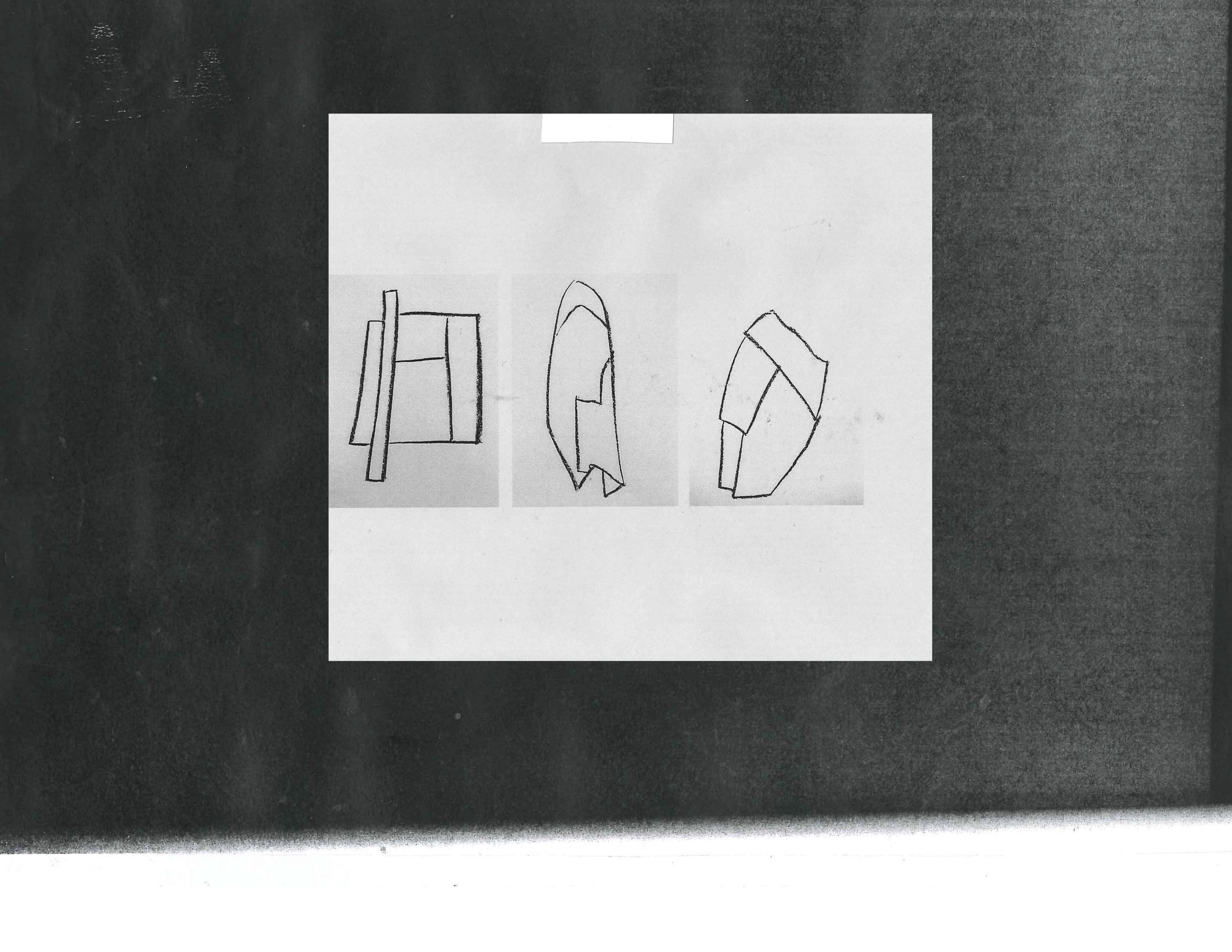
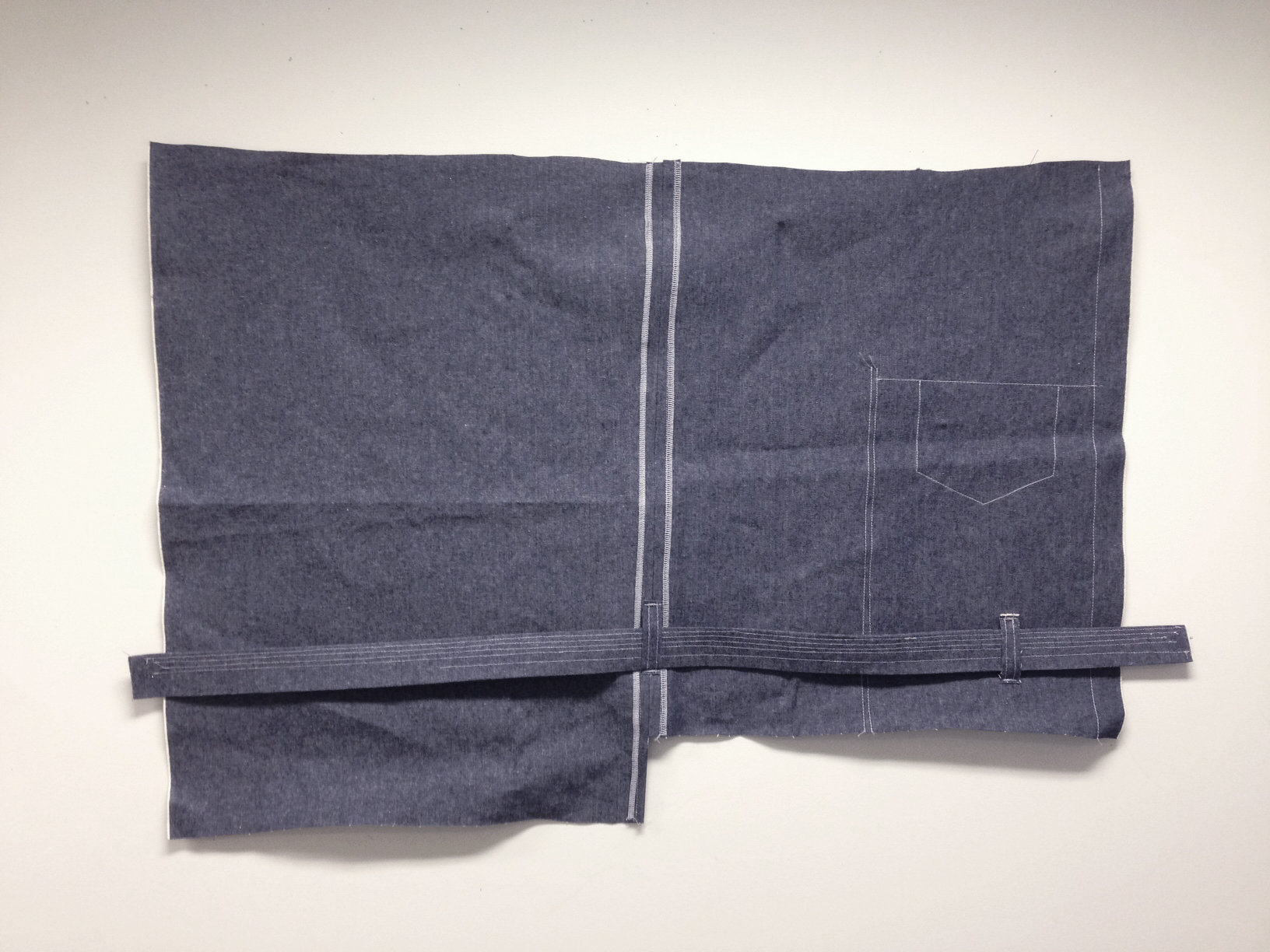
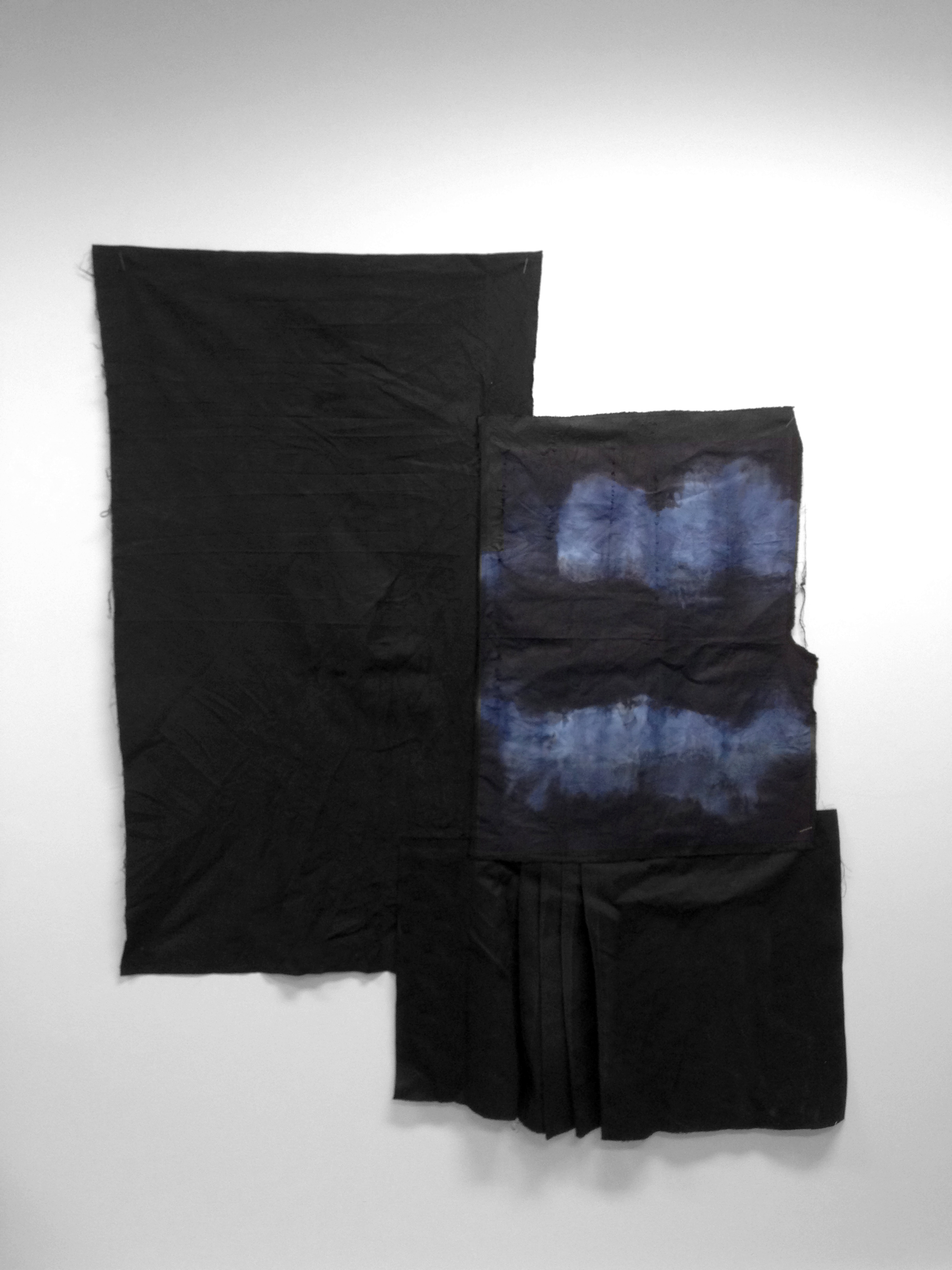
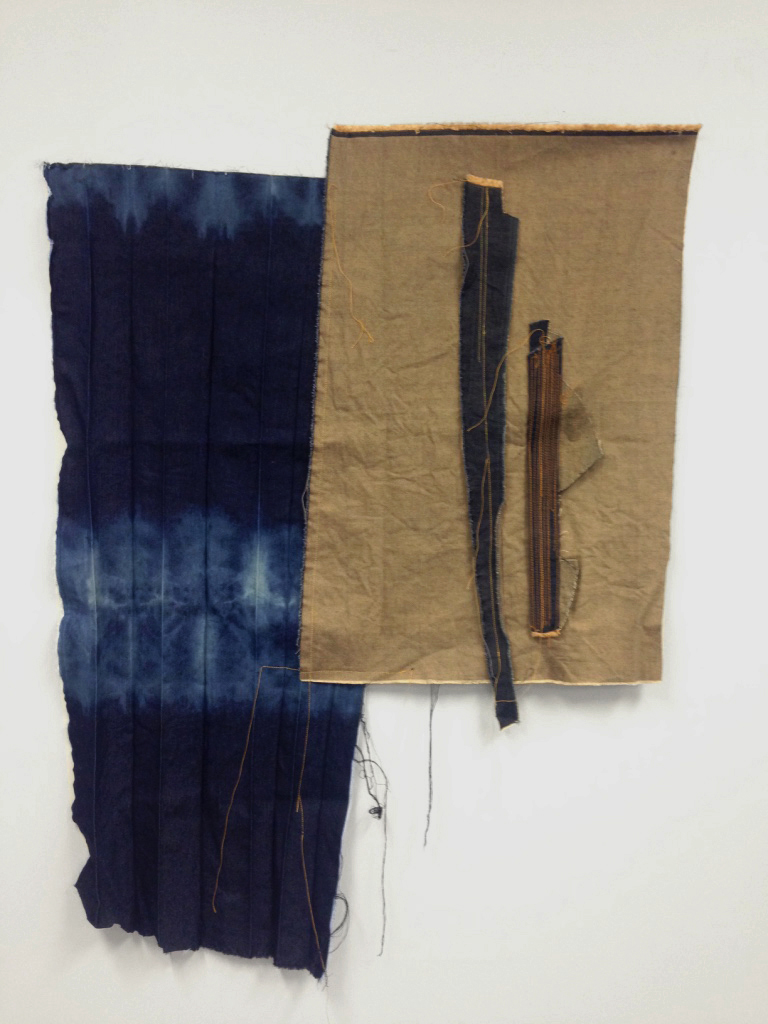
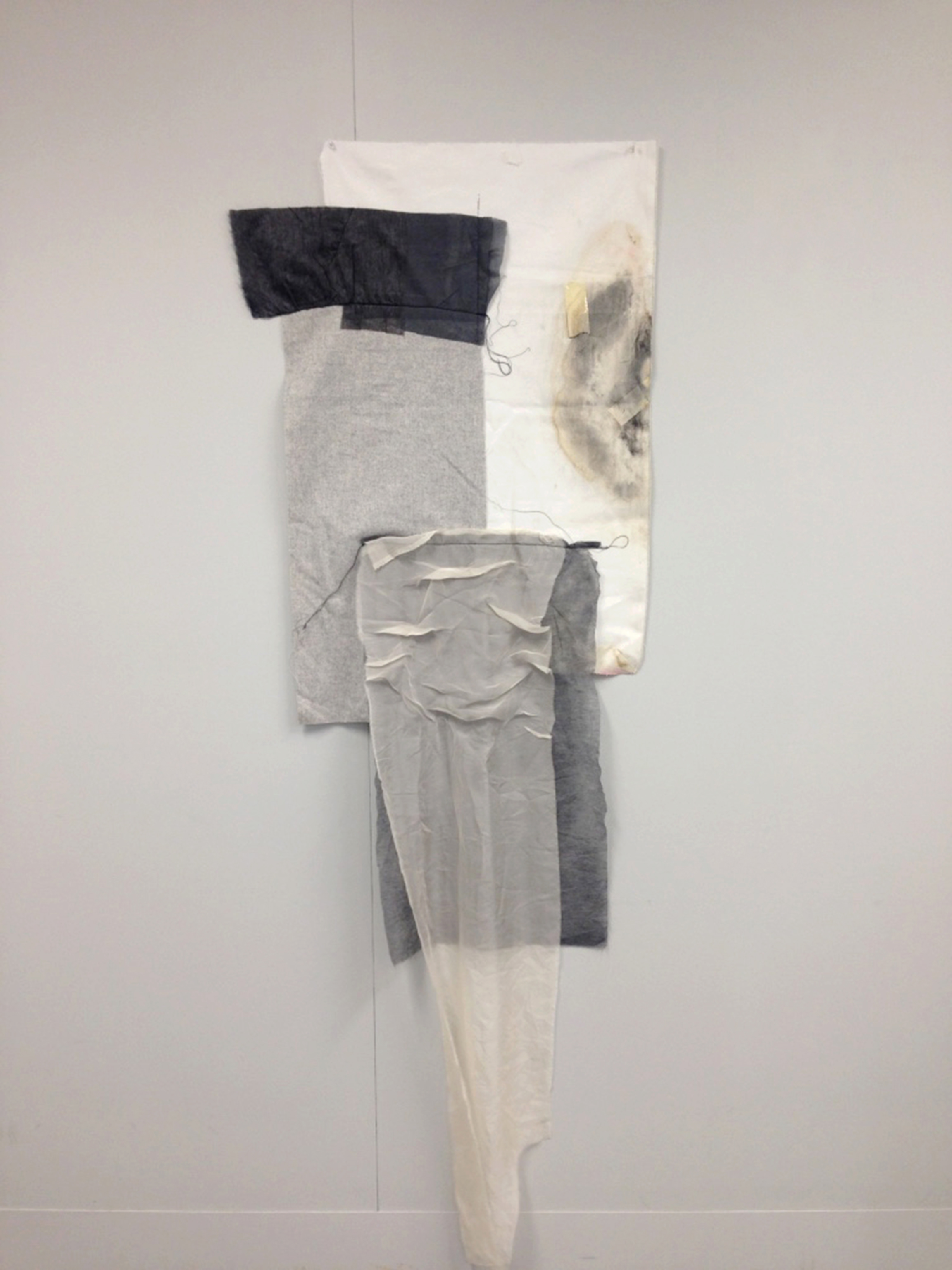
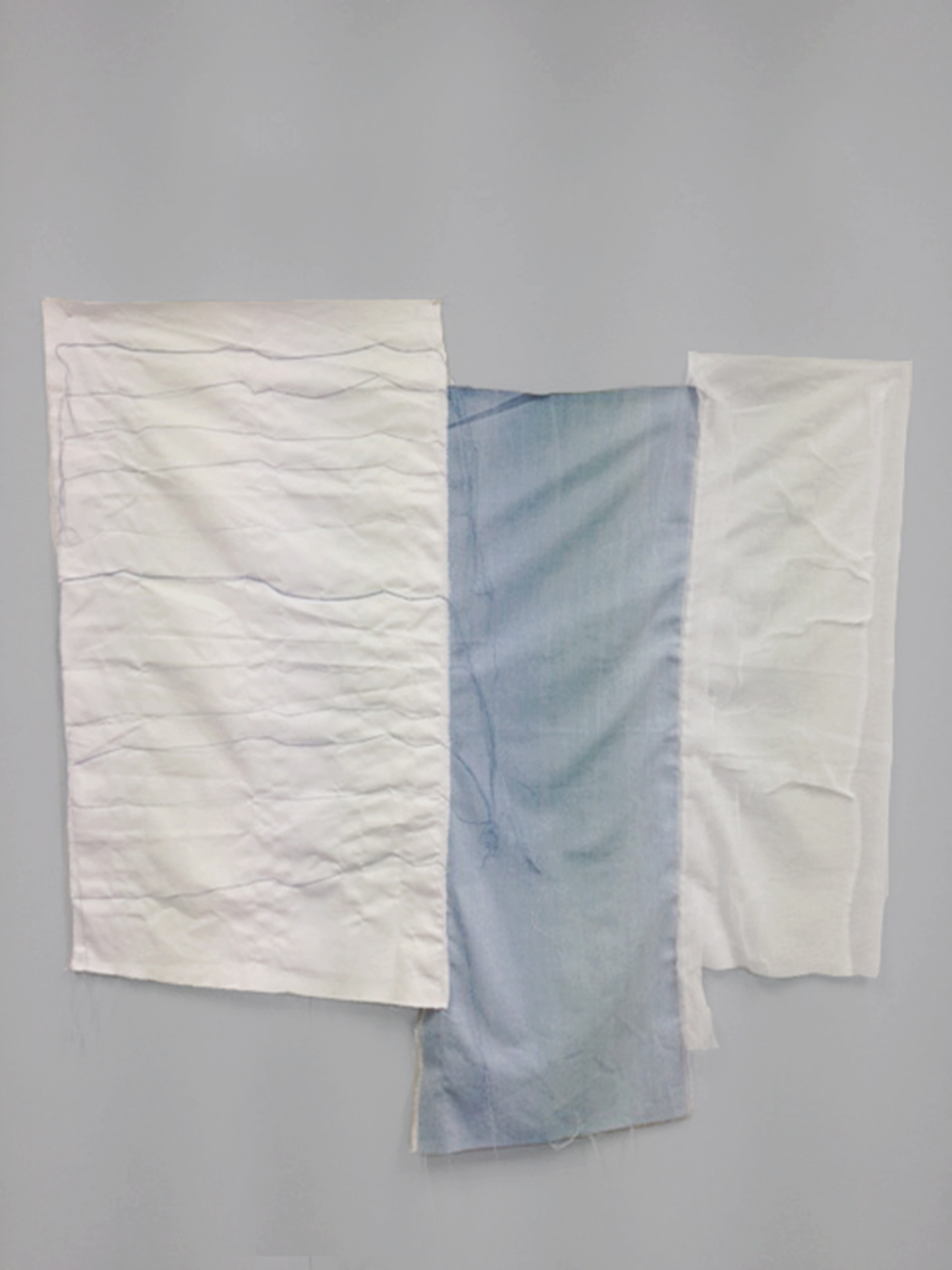
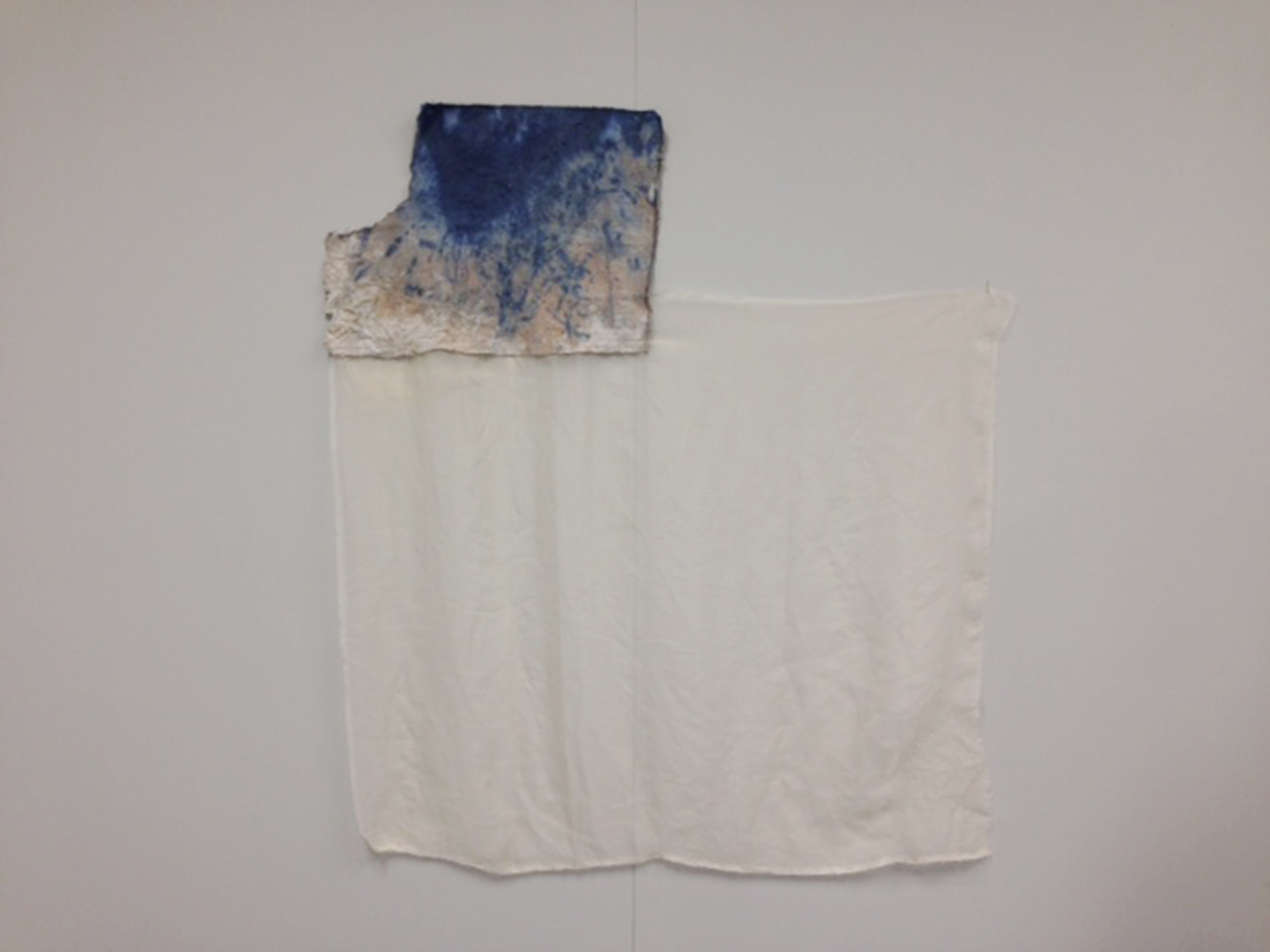
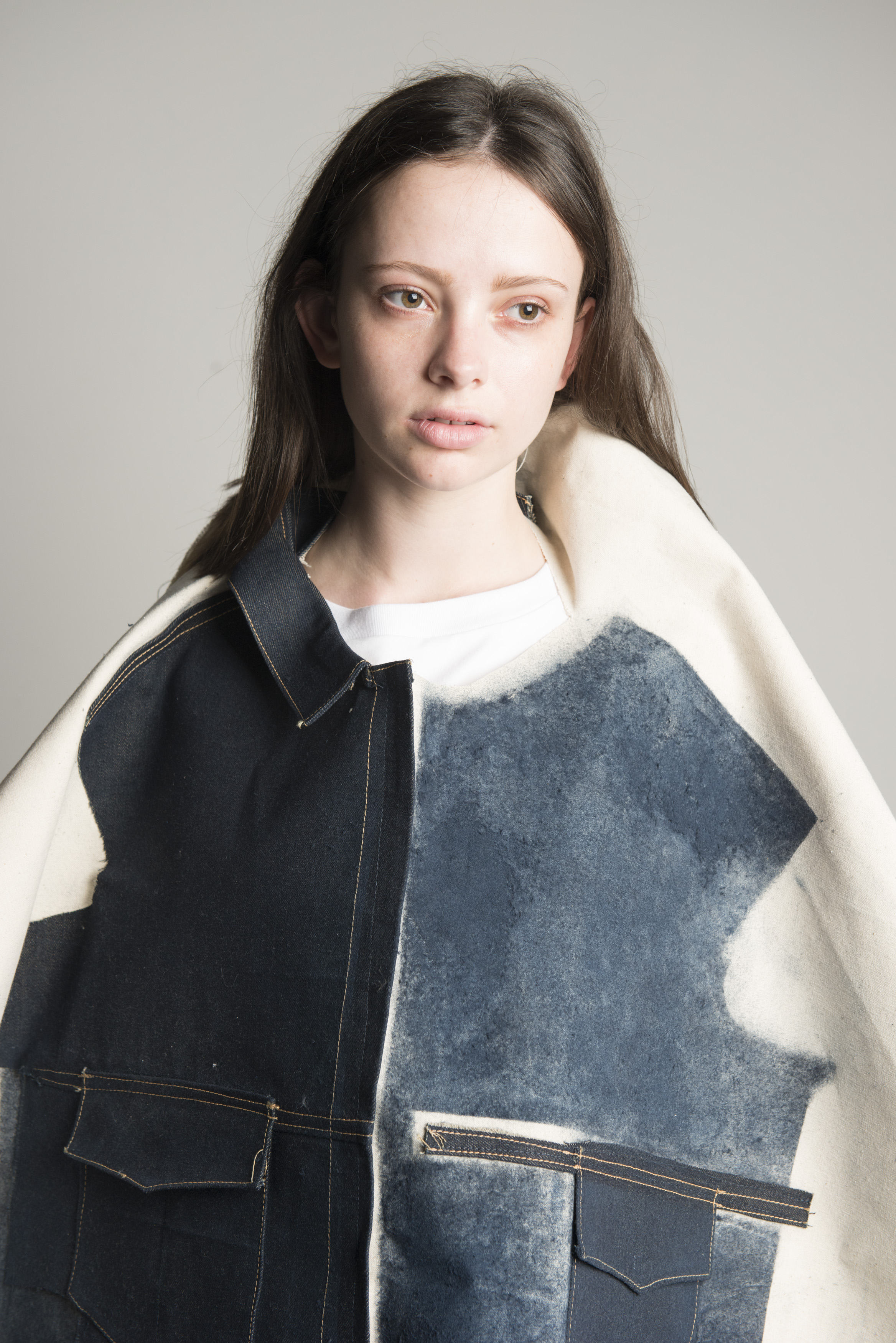
A series of prototypes explore the notion of creating flat compositions for abstracting the signs and elements of denim archetypes. These elements become malleable and movable, creating multiple intersections and interconnections. As Ingold (2020) notes, such arrangements can be seen as Assemblages “collections of diverse elements that are contingently grouped together” where each part “retains its individuality while being affected by associations” (p. 20).
I responded to this prototyping method by focusing on the materials’ agency in the design process, arranging textile and treatment manipulation swatches in a series of compositions. This approach underlines material-led processes in design and challenges the traditional notion of materials as inert elements. Instead, it views them as products or ready-made, requiring careful consideration in design (Thornquist & Bigolin, 2017). Drawing further on Ingold’s ideas, this process aligns with Gathering, a coming together of elements through “their own stories and trajectories,” producing “continuity and connection” (Ingold, 2020, p. 27)
1 This design process was influenced in part by:
Everything and Everybody as Material: Beyond Fashion Design Methods, a workshop presented by Assoc. Prof. Ricarda Bigolin & Prof. Clemens Thornquist at the School of Fashion and Textiles, RMIT University, in partnership with the Swedish School of Textiles, University of Borås.
The collaborative practices and talks highlighted in the exhibition High Risk Dressing / Critical Fashion at RMIT Design Hub Gallery, curated by Professor Robyn Healy, Dr Fleur Watson, Kate Rhodes, and Nella Themelios (February 2017)
Thornquist, C., & Bigolin, R. (Eds.). (2017). Everything and Everybody as Material: Beyond Fashion Design Methods (Conference proceedings, Borås, Sweden, June 7–9, 2017). The School of Fashion and Textiles, RMIT University & The Swedish School of Textiles, University of Borås.
Ingold, T. (2020). In the gathering shadows of material things. In P. Schorch, M. Saxer, & M. Elders (Eds.), Exploring Materiality and Connectivity in Anthropology and Beyond (pp. 17–35). UCL Press.
Surface Tapissere, N1, Kunstpavillon Innsbruck, 06. Fabrics Interseason, 2012.
Bruno Munari, Untitled, graphic compositions, 1951.
![]()
![]()
![]()
![]()
![]()
![]()
![]()
![]()
![]()
I responded to this prototyping method by focusing on the materials’ agency in the design process, arranging textile and treatment manipulation swatches in a series of compositions. This approach underlines material-led processes in design and challenges the traditional notion of materials as inert elements. Instead, it views them as products or ready-made, requiring careful consideration in design (Thornquist & Bigolin, 2017). Drawing further on Ingold’s ideas, this process aligns with Gathering, a coming together of elements through “their own stories and trajectories,” producing “continuity and connection” (Ingold, 2020, p. 27)
1 This design process was influenced in part by:
Everything and Everybody as Material: Beyond Fashion Design Methods, a workshop presented by Assoc. Prof. Ricarda Bigolin & Prof. Clemens Thornquist at the School of Fashion and Textiles, RMIT University, in partnership with the Swedish School of Textiles, University of Borås.
The collaborative practices and talks highlighted in the exhibition High Risk Dressing / Critical Fashion at RMIT Design Hub Gallery, curated by Professor Robyn Healy, Dr Fleur Watson, Kate Rhodes, and Nella Themelios (February 2017)
Thornquist, C., & Bigolin, R. (Eds.). (2017). Everything and Everybody as Material: Beyond Fashion Design Methods (Conference proceedings, Borås, Sweden, June 7–9, 2017). The School of Fashion and Textiles, RMIT University & The Swedish School of Textiles, University of Borås.
Ingold, T. (2020). In the gathering shadows of material things. In P. Schorch, M. Saxer, & M. Elders (Eds.), Exploring Materiality and Connectivity in Anthropology and Beyond (pp. 17–35). UCL Press.
Surface Tapissere, N1, Kunstpavillon Innsbruck, 06. Fabrics Interseason, 2012.
Bruno Munari, Untitled, graphic compositions, 1951.



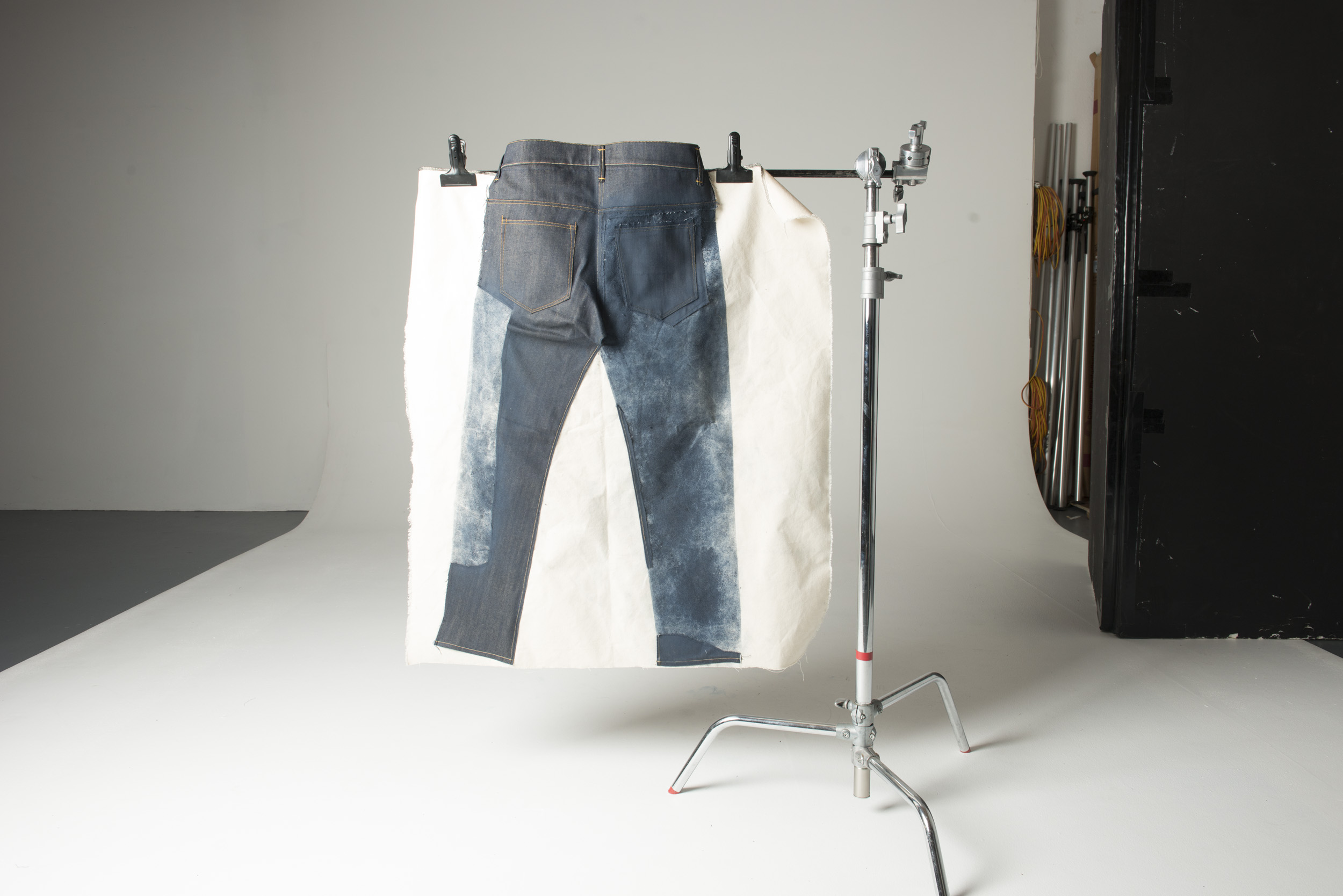
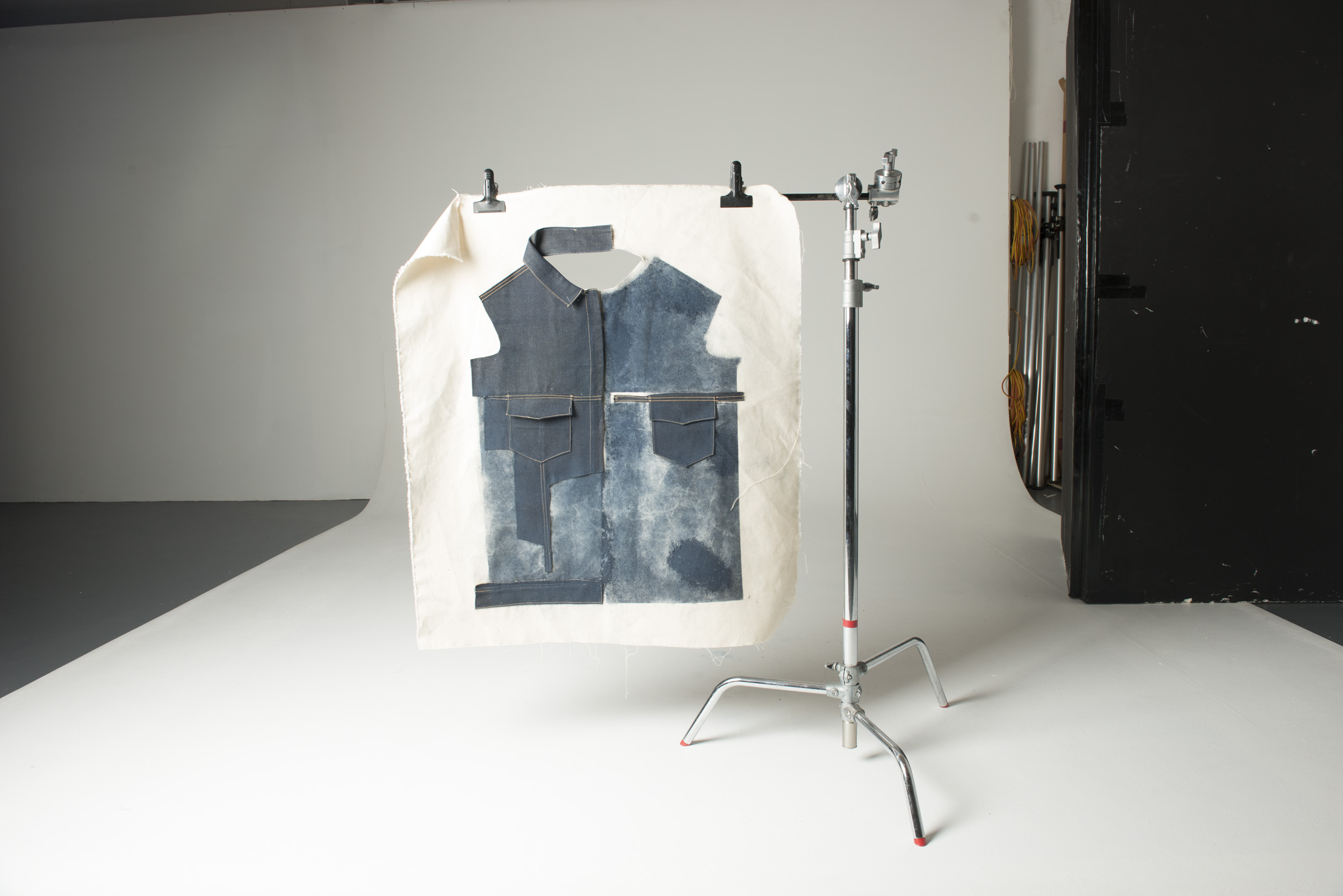 Images by Carmen Zammit, Talent Bridie Goold